Meet the Team
Beverley Glanville (Reid)
Personal Assistant
Phone: +500 27260
More info
I am a 5th Generation Falkland Islander, I have lived in the Falklands my whole life and I am married with 2 children. My hobbies include walking, swimming, sewing and felting. I started work aged 15 with the Falkland Islands Company at the FIPASS Office as PA/Deputy Manager. I moved to the Fisheries Department in 2003 as Data Clerk and was then promoted in 2011 to the Director of Natural Resources Personal Assistant/Office Manager.
Publications
Laptikhovsky, V., Reid, B., & Brickle, P. (2017). Spawning in a cold bath: reproduction of polar and deep‐sea fish family Psychrolutidae. Journal of fish biology, 90(4), 1283-1296.
Hayden Eldridge
Phone: +500 27260
Licensing and ITQ Manager
More info
I was born in Salisbury and spent parts of my childhood overseas in Cyprus where I developed a love for nature and the sea. I went on to work as an Assistant Buyer in the UK, developing my management and interpersonal skills, before going to study Environmental Earth Science at Aberystwyth University in 2020 writing my disseration on the Glacial sediments and Stratigraphy. Having moved to the islands in 2023, I have taken a keen interst in the fishing industry and its managmnet and regulation.
In my spare time I play video games, write poetry, listen to music and hike.
James Wilson
Director of Natural Resources
Address: Falkland Islands
Phone: +500 27260
Email: [email protected]
More info
I grew up on a small farm and have always had an interest in the natural environment. After completing a BSc in Geography at the University of Reading I worked as a transport planner before studying for an MSc in Desert Studies at Ben-Gurion University in Israel. Since then, I have worked largely in the public sector, initially as a researcher and environment officer, before becoming sustainability manager and then head of energy at a local authority, where I focussed on district heating and other decarbonisation projects. I joined the Department of Natural Resources as deputy director in 2024.

Rachel Hanbury
Head of Fisheries Management
More info
I have over 18 years’ experience working on fisheries related Monitoring, Control and Surveillance (MCS) and enforcement, trade, supply chains and policy for the UK Government as a Senior Fisheries Enforcement officer dealing with national and global investigations into non-compliant activity conducted by fishing vessels and operators (shore based and at sea) and, leading the UK Fisheries Control, Enforcement and Illegal Unreported and Unregulated (IUU) Fishing policy team in DEFRA. Before joining the Department of Natural Resources I worked as an independent consultant helping Governments and organisations across the globe to improve and strengthen fisheries management, compliance and helping importers and exporters to reduce the risk of sourcing IUU fish and fishery products.
Toni Trevizan
Phone: +500 27260
Observer Manager
More info
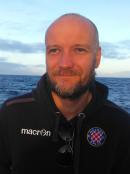
I was born in Croatia where I completed MSc in Marine Fishery at University of Split. I have worked as both, scientific and enforcement observer for FIFD, Institute of Oceanography and Fisheries in Split, MRAG Ltd, Cofrepeche and MEP. I also part time worked as a consultant for MRAG Ltd with tasks of assisting in training sessions for new observers on different projects, briefings, debriefings and different logistic and administration issues. Apart from that, I have experience working as Production Manager and technologist in fish processing. My last position before returning to the Falkland Islands was Marine Programme Officer at WWF.
My main interests are in fisheries management, sustainable exploitation of marine living resources and impact on different fishing gear on marine ecosystem.
Lily Eaton
Fisheries Protection Officer
Phone: +500 27266
Email: [email protected]
More info
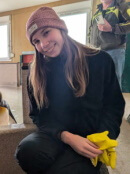
I grew up on the coast in Blackpool, England, and I completed my BSc in Biological Sciences in 2024 whilst at the University of Liverpool, with an exchange semester at the University of Western Australia. My research project was a mixture of field and lab work, investigating trematode infections in freshwater gastropods.
I have always had a keen interest in marine biology and conservation, especially due to being an avid scuba diver. During my time in Australia, I worked on several boats on the Great Barrier Reef and became a Divemaster. The enjoyment I got from working at sea pushed me to apply for this role and try something new in fisheries. In my spare time I like to dive, play netball, go hiking, read and spend time with the penguins.
Stephen Bennett
Fisheries Protection Officer
Phone: +500 27260
More info
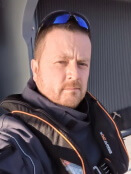
I first came to the Islands when I was serving in the Military back in 2003, but didn’t return until June 2016 when I arrived on a private contract.
My back ground in the UK prior to coming to the Falklands was in Law Enforcement and Health & Safety and Compliance. Since arriving back on the Islands, I’ve done several differing jobs most recently covering Health & Safety in the Private sector which for the past two years included safety inspections on Jigger Vessels as well as safety training for crews. This is where my interest came from for the industry which ultimately led me to this role.
The Falklands is now my families and also my forever home. In my spare time I love to play hockey, go walking, gardening and spending time with my family.
Aina Amukwaya
Fisheries Observer
Phone: +500 27260
More info
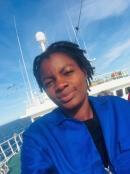
I completed my Honours Degree in Fisheries and Aquatic Sciences at the University of Namibia, 2020.
I have experience in age determination of the two Atlantic hake species, Merluccius capensis and Merluccius paradoxus using otoliths. I was also part of the annual bird survey on the Walvis Bay lagoon, Namibia the year 2018. I did six months internship with the Ministry of Fisheries and Marine Resources, Inland Aquaculture Centre (rearing catfish and tilapia) in 2022.
In January 2023 I joined FIFD as a Scientific Fisheries Observer.
Alex Blake
Ocean Data Analyst
Phone: +500 27260
More info
Background & Qualifications
I first worked as a fisheries observer in the Falklands between 1995 and 1997. I moved to the Department of Mineral Resources where I worked developing data-base systems for the management of the Offshore Oil Exploration and Onshore Mineral Exploration. In 2006-2007 I studied Geographic Information Science at the University of Redlands developing skills in GIS. I returned to observing in 2008, and transferred to the Data Analyst job as cover for another member of staff on sabbatical in 2013. I was made permanent in the position in 2016.
Research interests
Geographical Information Science; Data management
Publications
Arkhipkin, A. I., Gras, M., & Blake, A. (2015). Water density pathways for shelf/slope migrations of squid Illex argentinus in the Southwest Atlantic. Fisheries Research, 172, 234–242
Laptikhovsky, V., Gaither, M. R., & Blake, A. (2013). A Pacific grenadier Coryphaenoides acrolepis in the south-west Atlantic and environmental changes in the Falkland deep seas. Marine Biodiversity Records, 6
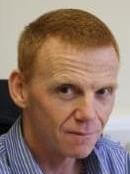
Dr. Andreas Winter
Head of Fisheries Science
Phone: +500 27260
More info
Background & Qualifications
PhD (Fishery Science), University of Washington, USA
MSc (Biology), University of Windsor, Canada
NOAA & ADFG certified fishery observer (1995 – 2002)
Research Interest
Fishery stock assessment, population dynamics, population interactions.
Publications
Riaz, J., Orben, R.A., Jones, K.A., Shapiro, M., Winter, A., Brickle, P. & Baylis, A.M.M. (2023). Spatial overlap between South American fur seal foraging effort and commercial trawl fisheries in the Falkland Islands. Global Ecology and Conservation 46: e02615.
Winter, A. & Arkhipkin, A. (2023). Opportunistic survey analyses reveal a recent decline of skate (Rajiformes) biomass in Falkland Islands waters. Fishes 8: 24.
Arkhipkin, A.I., Nigmatullin, Ch.M., Parkyn, D.C., Winter, A. & Csirke, J. (2023). High seas fisheries: the Achilles’ heel of major straddling squid resources. Reviews in Fish Biology and Fisheries 33: 453 – 474.
Arkhipkin, A., Škeljo, F., Wallace, J., Derbyshire, C., Goyot, L., Trevizan, T. & Winter, A. (2023). Industry-collaborative mesh trials to reduce bycatch in the Falkland Islands skate trawl fishery (Southwest Atlantic). ICES Journal of Marine Science 80: 578 – 590.
Arkhipkin, A.I., Winter, A.G. & Nigmatullin, C.M. (2022). Heavy fishery exploitation does not affect sizes at recruitment and maturity of squid Illex argentinus and Doryteuthis gahi, in the Southwest Atlantic. ICES Journal of Marine Science 79: 182 – 192.
Arkhipkin, A.I., Hendrickson, L.C., Payá, I., Pierce, G.J., Roa-Ureta, R.H., Robin, J.-P. & Winter, A. (2021). Stock assessment and management of cephalopods: advances and challenges for short-lived fishery resources. ICES Journal of Marine Science 78: 714 – 730.
Winter, A., Pompert, J., Arkhipkin, A.,& Brewin, P.E. (2015). Interannual variability in the skate assemblage on the South Patagonian shelf and slope. Journal of Fish Biology 87: 1449 – 1468.
Winter, A.,& Arkhipkin, A. (2015). Environmental impacts on recruitment migrations of Patagonian longfin squid (Doryteuthis gahi) in the Falkland Islands with reference to stock assessment. Fisheries Research 172: 85 – 95.
Winter, A. (2015). Fishing for skates in the Falkland Islands. Shark Focus 54: 14 – 15, www.sharktrust.org/fisheries.
Arkhipkin, A., Barton, J., Wallace, S.,& Winter, A. (2013). Close cooperation between science, management and industry benefits sustainable exploitation of the Falkland Islands squid fisheries. Journal of Fish Biology 83: 905 – 920.
Arkhipkin, A., Brickle, P., Laptikhovsky, V.,& Winter, A. (2012). Dining hall at sea: feeding migrations of nektonic predators to the eastern Patagonian Shelf. Journal of Fish Biology 81: 882 – 902.
Arkhipkin, A., Brickle, P., Laptikhovsky, V., Pompert, J.,& Winter, A. (2012). Skate assemblage on the eastern Patagonian Shelf and slope: structure, diversity and abundance. Journal of Fish Biology 80: 1704 – 1726.
Winter, A., Jiao, Y.,& Browder, J. (2011). Modelling low rates of seabird bycatch in the U.S. Atlantic longline fisheries. Waterbirds 34: 289 – 303.
Yu, H., Jiao, Y.,& Winter, A. (2011). Catch-rate standardization for yellow perch in Lake Erie: a comparison of the spatial generalized linear model and the generalized additive model. Transactions of the American Fisheries Society 140: 905 – 918.
Winter, A., Foy, R.,& Wynne, K. (2009). Seasonal differences in prey availability between a Steller sea lion haulout and a rookery near Kodiak, Alaska. Aquatic Mammals 35: 145 – 162.
Winter, A., Foy, R.,& Trussell, M. (2007). Factors influencing the mortality of tagged walleye pollock captured using a trawl net. Final Report to the North Pacific Research Board, 23 p.
Winter, A., Coyle, K.,& Swartzman, G. (2007). Variations in age-0 pollock distribution among eastern Bering Sea nursery areas: A comparative study through acoustic indices. Deep-Sea Research II 54: 2869 – 2884.
Winter, A.,& Swartzman, G. (2006). Interannual changes in distribution of age-0 walleye pollock near the Pribilof Islands, Alaska, with reference to the prediction of pollock year-class strength. ICES Journal of Marine Science 63: 1118 – 1135.
Swartzman, G., Winter, A., Coyle, K., Brodeur, R., Buckley, T., Ciannelli, L., Hunt, G., Ianelli, J.,& Macklin, A. (2005). Relationship of age-0 pollock abundance and distribution around the Pribilof Islands, with other shelf regions of the eastern Bering Sea. Fisheries Research 74: 273 – 287.
Winter, A., Swartzman, G.,& Ciannelli, L. (2005). Early- to late-summer population growth and prey consumption by age-0 pollock, in two years of contrasting pollock abundance near the Pribilof Islands, Bering Sea. Fisheries Oceanography 14: 307 – 320.
Schabetsberger, R., Sztatecny, M., Drozdowski, G., Brodeur, R.D., Swartzman, G.L., Wilson, M.T., Winter, A.,& Napp, J.M. (2003). Size dependent, spatial and temporal variability of juvenile walleye pollock (Theragra chalcogramma) feeding at a frontal region in the southeast Bering Sea. Marine Ecology 24: 1 – 23.
Swartzman, G., Napp, J., Brodeur, R., Winter, A.,& Ciannelli, L. (2002). Spatial patterns of pollock and zooplankton distribution in the Pribilof Islands, Alaska nursery area and their relationship to pollock recruitment. ICES Journal of Marine Science 59: 1167 – 1186.
Winter, A., Ciborowski, J.,& Reynoldson, T. (1996). Effects of chronic hypoxia and reduced temperature on survival and growth of burrowing mayflies, Hexagenia limbata (Ephemeroptera, Ephemeridae). Canadian Journal of Fisheries and Aquatic Sciences 53: 1565 – 1571.
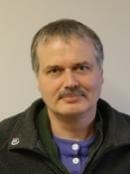
Dr. Emilie Le Luherne
Toothfish Scientist
Phone: +500 27260
More info
Background & Qualifications
I grew up in Brittany, North-western France, where I became fascinated by marine life and the relationships between species and their environment. I obtained a BSc in biology from the University of Rennes 1 (France) with a 6-month ERASMUS experience at the University of Aristotle (Greece). I completed my MSc (Honours) in marine biology at the Aix-Marseille University (France), conducting research on the diet of pelagic fish species using complementary analyses of stomach contents and stable isotopes (EMBIO lab). Then, I completed my PhD at the Fisheries Ecology lab (Rennes, France) exploring the impacts of green tides, i.e. excessive proliferations of green macroalgae known as an anthropogenic pressure, on fish communities and individual performances in coastal and estuarine areas.
My research broadly focuses on fish ecology and species responses to anthropogenic pressures and climate change, and I am particularly interested in examining these responses using natural tracers. I have explored these topics using various technical (e.g. spatial indices, sclerochronology, otolith microchemistry and stable isotopes) and analytical skills. Besides, during my positions in applied ecology, I conducted the stock assessment of cod in the Celtic Sea in 2018 and 2022 at the LTBH lab (IFREMER, Lorient, France) and I implemented a new sampling protocol to examine ecological roles of salt marshes for fish communities at the French National Reserves (Granville, France).
Currently, I am working as a Fisheries Scientist (Toothfish) at the Falkland Islands Fisheries Department. The overall objective of my current position is to coordinate and support biological and life-history work for Patagonian toothfish stock assessment and explore related research issues to improve our knowledge of the Patagonian toothfish ecology.
Reasearch interests
Marine biology and ecology; functional ecology; fish ecology; stock assessment; coastal and estuarine nursery grounds; anthropogenic pressures; climate change; spatial indexes; biometry; stomach contents; stable isotopes; natural tracers; sclerochronology; otolith microchemistry; stress markers
Publications
Le Luherne E., Daverat F., Woillez M., Pecheyran C. and de Pontual H. (2022). Coupling natural and electronic tags to explore spawning site fidelity and natal homing in northeast Atlantic European seabass. Estuarine, Coastal and Shelf Science.
Paumier, A., Tatlian, T., Reveillac, E., Le Luherne, E., Ballu, S., Lepage, M. and Le Pape, O. (2018). Impacts of green tides on estuarine fish assemblages. Estuarine, Coastal and Shelf Science, 213, 176-184.
Le Luherne E., Le Pape O., Murillo L., Randon M., Lebot C. and Réveillac E. (2017). Influence of Green Tides in Coastal Nursery Grounds on the Habitat Selection and Individual Performance of Juvenile Fish. PLoS ONE 12(1): e0170110
Le Luherne E., Réveillac E., Ponsero A., Sturbois A., Ballu S., Perdriau M. and Le Pape O. (2016). Fish community responses to green tides in shallow estuarine and coastal areas. Estuarine, Coastal and Shelf Science.175, 79-92.
Le Bourg B., Bӑnaru D., Saraux C., Nowaczyk A., Le Luherne E., Jadaud A., Bigot J. -L. and Richard P. (2015). Trophic niche overlap of sprat and commercial small pelagic teleosts in the Gulf of Lions (NW Mediterranean Sea). Journal of Sea Research. 103, 138-146.
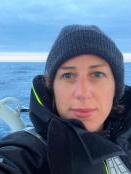
Dr. Frane Škeljo
Senior Stock Assesment Scientist
More info
Background & Qualifications
I was born and raised in Croatia and completed my MSc in Marine Fishery at University of Split in 2006. After graduation I was employed by the Department of Marine Studies at University of Split, where I continued to work until 2019. During this period, I completed a PhD in Applied Marine Sciences and got the position of Assistant Professor / Senior Research Associate. My research work was oriented to marine fisheries, mostly regarding fisheries biology of exploited species, fishing gear impacts on exploited populations and fishing gear selectivity studies. In 2020 I took a position of Stock Assessment Scientist at the Falkland Islands Fisheries Department, focusing on Patagonian toothfish fishery MSC re-certification and stock assessments of commercial fishery stocks in Falkland waters.
Research Interest
Fishery stock assessment, fisheries management, fisheries biology, life history and population dynamics
Publications
Brčić, J., Herrmann, B., Mašanović, M., Šifner, S.K., Baranović, M.,& Škeljo, F. (2019). Mesh sticking probability in fishing gear selectivity: Methodology and case study on Norway lobster (Nephrops norvegicus) and mantis shrimp (Squilla mantis) in the Mediterranean Sea creel fishery. Mediterranean Marine Science, 0:487-495. (early view)
Brčić, J., Herrmann, B., Mašanović, M., Šifner, S.K.,& Škeljo, F. (2018). CREELSELECT – A method for determining the optimal creel mesh: Case study on Norway lobster (Nephrops norvegicus) fishery in the Mediterranean Sea. Fisheries Research, 204:433-440.
Brčić, J., Herrmann, B., Mašanović, M., Baranović, M., Šifner, S.K.,& Škeljo, F. (2018). Size selection of Nephrops norvegicus (L.) in commercial creel fishery in the Mediterranean Sea. Fisheries Research, 200:25-32.
Brčić, J., Herrmann, B., Mašanović, M., Šifner, S.K.,& Škeljo, F. (2017). Influence of soak time on catch performance of commercial creels targeting Norway lobster (Nephrops norvegicus) in the Mediterranean Sea. Aquatic Living Resources, 30:36.
Ferri, J., Brčić, J., Škeljo, F., Sršen, L.,& Uvodić, A. (2017). Preliminary study on the age and growth of the argentine, Argentina sphyraena (Actinopterygii: Osmeriformes: Argentinidae) from the eastern Adriatic Sea. Acta Ichthyologica et Piscatoria, 47(4):365-369.
Tsagarakis, K., Carbonell, A., Brčić, J., Bellido, J.M., Carbonara, P., Casciaro, L., Edridge, A., Garcia, T., Gonzalez, M., Krstulović Šifner, S., Machias, A., Notti, E., Papantoniou, G., Sala, A., Škeljo, F., Vitale, S., Vassilopoulou, V. (2017). Old info for a new fisheries policy: Discard ratios and lengths at discarding in EU Mediterranean bottom trawl fisheries. Frontiers in Marine Science, 4:1-13.
Škeljo, F., Brčić, J., Vuletin, V.,& Ferri, J. (2015). Age and growth of the axillary wrasse, Symphodus mediterraneus (L.) from the eastern Adriatic Sea. Marine Biology Research, 11(7):780-784.
Škeljo, F., Ferri, J., Brčić, J., Petrić, M.,& Jardas, I. (2012). Age, growth and utility of otolith morphometrics as a predictor of age in the wrasse Coris julis (Labridae) from the eastern Adriatic Sea. Scientia Marina, 76(3):587-595.
Škeljo, F.,& Ferri, J. (2012). The use of otolith shape and morphometry for identification and size estimation of five wrasse species in predator-prey studies. Journal of Applied Ichthyology, 28:524-530.
Cetinić, P., Škeljo, F.,& Ferri, J. (2011). Discards of the commercial boat seine fisheries on Posidonia oceanica beds in the eastern Adriatic Sea. Scientia Marina, 75(2):289-300.
Ferri, J., Topić Popović, N., Čož-Rakovac, R., Beer-Ljubić, B., Strunjak-Perović, I., Škeljo, F., Jadan, M., Petrić, M., Barišić, J., Šimpraga, M.,& Stanić, R. (2011). The effect of artificial feed on blood biochemistry profile and liver histology of wild saddled bream, Oblada melanura (Sparidae). Marine Environmental Research, 71(3):218-224.
Matić-Skoko, S., Ferri, J., Škeljo, F., Bartulović, V., Glavić, K.,& Glamuzina, B. (2011). Age, growth and validation of otolith morphometrics as predictors of age in the forkbeard, Phycis phycis (Gadidae). Fisheries Research, 112(1/2):52-58.
Petrić, M., Ferri, J., Škeljo, F.,& Krstulović Šifner, S. (2010). Body and beak measures of Illex coindetii (Cephalopoda: Ommastrephidae) and their relation to growth and maturity. Cahiers de Biologie Marine, 51(3):275-287.
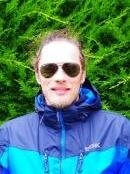
Dr. Irina Chemshirova
Cephalopod Scientist
Phone: +500 27260
More info
Background & Qualifications
I completed my undergraduate studies at Imperial College London, reading Biology. During my BSc I was able to do a year-long placement with the Institute of Zoology, Zoological Society London. During that year I worked on a project assessing the impact of trawling for the Northern shrimp (Pandalus borealis) off the west coast of Greenland. Subsequently, I undertook a Masters by Research in Ecology, Evolution and Conservation, also at Imperial College London, which consisted of two 6-month research projects. The first project I worked on quantified the regeneration and deforestation of the Atlantic Forest in Sao Paulo, Brazil. The second project I was involved in looked at how reciprocal subsidies varied with temperature in the geothermal valley of Hengill, Iceland.
Prior to working as an observer, I was a Scientific Copy Editor for various medical journals in London.
Research Interests
As evident from my background I have a wide range of interests and skills. However, I am particularly interested in understanding how successful management of natural resources can promote sustainability, more specifically in the marine environment.
Publications
Chemshirova, I., Arkhipkin, A., Shaw, P.W. and McKeown, N.J., 2023. Integrated statolith and genomic analysis reveals high connectivity in the nektonic squid Illex argentinus: implications for management of an international cephalopod fishery. ICES Journal of Marine Science, p.fsad128.
Chemshirova, I., Hoving, H.-J., & Arkhipkin, A. (2021) Temperature effects on size, maturity, and abundance of the squid Illex argentinus (Cephalopoda, Ommastrephidae) on the Patagonian Shelf. Estuarine, Coastal and Shelf Science, 255: 107343
Yesson, C., Simon, P., Chemshirova, I., Gorham, T., Turner, C.J., Arboe, N.H., Blicher, M.E.,& Kemp, K.M. (2015). Community composition of epibenthic megafauna on the West Greenland Shelf. Polar Biology, 38(12), pp.2085-2096.
Dr. Jorge E. Ramos Castillejos
Stock Assessment Scientist
Phone: +500 27260
More info
Background & Qualifications
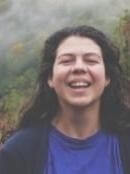
I am a marine biologist with a BSc from the Autonomous University of Baja California Sur (UABCS, Mexico, 2005), a MSc in the Use, Management, and Conservation of Natural Resources from the Northwest Biological Research Centre (CIBNOR, Mexico, 2007), and a PhD in Natural and Physical Sciences with a strong component in quantitative marine science from the Institute for Marine and Antarctic Studies at the University of Tasmania (IMAS-UTAS, Australia, 2015).
During the early years of my career, I worked on a broad range of biological groups, including benthos, zooplankton, cephalopods, bony fishes, elasmobranchs, and marine mammals. Over time, I developed a great interest in squids and octopuses, which led me to focus on cephalopods. For my MSc, I investigated the distribution and abundance of jumbo squid (Dosidicus gigas) paralarvae off the Baja California Peninsula. Later I worked as a technical officer at CIBNOR and for Stanford University, contributing to joint projects on the reproductive biology, age and growth, movement patterns, and use of habitat of the jumbo squid. For my PhD, I used the range-shifting common Sydney octopus (Octopus tetricus) as a model species to examine how life-history characteristics and population dynamics relate to the capacity of marine species to shift their distribution in response to oceanic warming. In 2016, I was appointed as an Adjunct Researcher at IMAS-UTAS, where I conducted qualitative vulnerability assessments of climate change impacts on fishery species. In 2018, I joined the Falkland Islands Fisheries Department as a Stock Assessment Scientist, where I am responsible for assessing finfish stocks in a multi-species industrial bottom trawl fishery.
Research Interests
My research interests include stock assessment, fisheries science, life-history and population dynamics, as well as population genetics, molecular ecology, invasion ecology, the impacts of environmental variability and climate change on marine species, and adaptation to climate change.
Publications
Maureaud AA, Kitchel Z, Fredston A, Guralnick R… Ramos JE, et al. (2025) FISHGLOB: A collaborative infrastructure for marine science and management. Conservation Science and Practice: e70035. https://doi.org/10.1111/csp2.70035
Ramos JE, Roura A, Strugnell JM, Moltschaniwskyj NA, Bargiela R, Pecl GT (2023) Stomach content characterisation of the marine range-shifting Octopus tetricus using DNA metabarcoding. Marine Ecology Progress Series 717: 67–83. https://doi.org/10.3354/meps14372
Ramos JE, Tam J, Aramayo V, Briceño FA, Bandin R, et al. (2022) Climate vulnerability assessment of key fishery resources in the Northern Humboldt Current System. Scientific Reports 12: 4800. https://doi.org/10.1038/s41598-022-08818-5
Maureaud AA, Frelat R, Pécuchet L, Shackell N, … Ramos JE, et al. (2020) Are we ready to track climate-driven shifts in marine species across international boundaries? – A global survey of scientific bottom trawl data. Global Change Biology 27: 220–236. https://doi.org/10.1111/gcb.15404
Sauer W, Gleadall IG, Downey-Breedt N, Doubleday Z, … Ramos JE, et al. (2019) World Octopus Fisheries. Reviews in Fisheries Science & Aquaculture. https://doi.org/10.1080/23308249.2019.1680603
Ramos JE, Pecl GT (2019) Climate Change. Marine range shifts in SE Australia. Austral Ecology. https://doi.org/10.1111/aec.12726
Ramos JE, Pecl GT, Moltschaniwskyj NA, Semmens JM, Souza CA, Strugnell JM (2018). Population genetic signatures of a recent marine range extension. Scientific Reports 8: 9558. https://doi.org/10.1038/s41598-018-27351-y
Ramos JE, Ramos-Rodríguez JA, Bazzino Ferreri G, Kurczyn JA, Rivas D, Salinas-Zavala CA (2017). Characterization of the northernmost spawning habitat of Dosidicus gigas with implications on its northwards range extension. Marine Ecology Progress Series 572: 179–192. https://doi.org/10.3354/meps12140
Ramos JE, Pecl GT, Semmens JM, Strugnell JM, León RI, Moltschaniwskyj NA (2015). Reproductive capacity of a marine species (Octopus tetricus) within a recent range extension area. Marine and Freshwater Research 66: 999–1008. https://doi.org/10.1071/MF14126
Rodhouse PGK, Pierce GJ, Nichols OC, Sauer WHH,… Ramos JE, et al. (2014). Environmental effects on cephalopod population dynamics: Implications for management of fisheries. In: Advances in Marine Biology. Advances in Cephalopod Science: Biology, Ecology, Cultivation and Fisheries. Vol. 67, Vidal EAG (ed). pp 140–145. Academic Press, London. https://doi.org/10.1016/B978-0-12-800287-2.00002-0
Ramos JE, Pecl GT, Moltschaniwskyj NA, Strugnell JM, León RI, Semmens JM (2014). Body size, growth and life span: Implications for the polewards range shift of Octopus tetricus in South-eastern Australia. PLoS ONE 9: e103480. https://doi.org/10.1371/journal.pone.0103480
Granados-Amores J, Ramos JE, Salinas-Zavala CA, Camarillo-Coop S (2013). Eucleoteuthis luminosa (Cephalopoda: Ommastrephidae) off the west coast of the Baja California peninsula, Mexico. Journal of Shellfish Research 32: 341–346. https://doi.org/10.2983/035.032.0212
Ramos-Castillejos JE, Salinas-Zavala CA, Camarillo-Coop S, Enríquez-Paredes LM (2010). Paralarvae of the jumbo squid, Dosidicus gigas. Invertebrate Biology 129: 172–183. https://doi.org/10.1111/j.1744-7410.2010.00194.x
Bazzino G, Gilly WF, Markaida U, Salinas-Zavala CA, Ramos-Castillejos JE (2010). Horizontal migrations, vertical habitat utilization and diet of the jumbo squid (Dosidicus gigas) in the Pacific Ocean off Baja California Sur, México. Progress in Oceanography 86: 59–71. https://doi.org/10.1016/j.pocean.2010.04.017
Salinas-Zavala CA, Camarillo-Coop S, Mejía-Rebollo A, Rosas-Luis R, Ramos-Castillejos J, et al. (2006) Studies of the jumbo squid (Dosidicus gigas d’Orbigny, 1835) in Mexico: Fishery, ecology and climate. GLOBEC Report No. 24. Honolulu, Hawaii, USA. 35–41
Salinas-Zavala CA, Bazzino-Ferreri G, Camarillo-Coop S, Rosas-Luis R, Mejía-Rebollo A, Ramos-Castillejos JE (2010). El Calamar gigante Dosidicus gigas (D’Orbigny 1835). In: Dinámica del ecosistema pelágico frente a Baja California 1997–2007. Gaxiola-Castro G. & Durazo R (Eds.). SEMARNAT-INE-CICESE-UABC. 501 pp.
Dr. Marcelo Soeth
Finfish Scientist
More info
Background & Qualifications
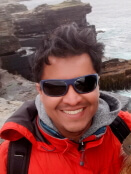
My journey in the world of marine science traces back to the shores of southern Brazil, my birthplace. I found myself immersed in the world of fishing since I was very young, guided by my grandfather. He shared invaluable fishing techniques and kindled in me a profound curiosity for marine life, setting the course for my eventual career.
My educational background comprises a degree in Aquaculture Technology from the Federal Institute of Santa Catarina (2009) and a subsequent degree in Biological Sciences, specializing in Marine Biology (2010), from the University of the Joinville Region, Brazil. Subsequently, I completed my Master’s (2013) and Doctorate (2019) degrees within the Coastal and Oceanic System Post-Graduate Program at the Federal University of Paraná, Brazil, where I have also served as a Collaborating Professor since 2019.
I began my career as a Marine Biologist in 2010, working with oyster and fish cultures at the Pontifical Catholic University of Paraná, Brazil. However, my research focus has predominantly centered on studying marine fish assemblages and populations. My master’s thesis focused on elucidating fish assemblages’ spatial and temporal determinants in estuarine environments and their correlations with environmental and biological variables. My Ph.D. research was on fishery biology, including age, growth, and reproduction, as well as fish movement ecology and fish stock identification. I utilized the rich source of demographic information and phenotypic variation contained in otoliths for these investigations.
Additionally, from 2014 to 2019, I had the opportunity to work as an ichthyologist and project coordinator for MarBrasil, a non-governmental organization. In these roles, I conducted underwater visual censuses and implemented standard monitoring units to assess the effectiveness of marine protected areas and artificial reefs in promoting the recovery of overexploited fish populations in southern Brazil. From 2020 to 2023, I worked as a post-doctoral researcher at the Aquatic Biota Monitoring Program (PMBA) that evaluate the long-term effects of the world’s largest mining disaster. During my tenure at PMBA, I participated in three subprojects, primarily focusing on employing acoustic telemetry to examine the movement patterns of fat snook in estuarine ecosystems in eastern Brazil.
I began working as a Finfish Scientist at the Fisheries Department of the Falkland Islands in August 2023.
Research Interests
My research interests span various areas applied to the sustainable management of exploited fish populations, including fisheries biology and ecology, decoding otolith archives (natural tags), defining fish population structure and its boundaries, and fish movement ecology.
Publications
Brandl, S.J., Weigt, L.A., Pitassy, D.E., Coker, D.J., Patrick, C.J., Luchese, M.H., Berumen, M.L., Buskey, E.J., Casey, J.M., Di Domenico, M., Soeth, M., Topor, Z.M., Duffy, J.E., Baldwin, C.C., Hagedorn, M., Parenti, L.R., 2023. Using standardized fish‐specific autonomous reef monitoring structures (FARMS) to quantify cryptobenthic fish communities. Methods Ecol. Evol. 2023, 1–13. https://doi.org/10.1111/2041-210x.14085
Contente, R.F., Marion, C., Silva, J.V., Soeth, M., Lopes Condini, M.V., Lopes Almeida, L., Louis Spach, H., Hostim-Silva, M., 2023. Surf-zone fish assemblage structure and its diel variability in an ocean beach of Espírito Santo (Central Brazilian coast). Lat. Am. J. Aquat. Res. 51, 133–144. https://doi.org/10.3856/vol51-issue1-fulltext-2925
Santos, R.A.M., Condini, M.V., Almeida, L.L., Soeth, M., Bertoncini, A.A., Hostim-Silva, M. 2022. Unraveling the first steps of juvenile Atlantic goliath grouper Epinephelus itajara (Perciformes: Epinephelidae) in a tropical estuary at the southwestern Atlantic coast. Mar. Bio. Research, 18:5-6, 372-379. https://doi.org/10.1080/17451000.2022.2119251
Soeth, M., Daros, F.A., Correia, A.T., Fabré, N.N., Medeiros, R., Feitosa, C.V., de Sousa Duarte, O., Lenz, T.M., Spach, H.L., 2022. Otolith phenotypic variation as an indicator of stock structure of Scomberomorus brasiliensis from the southwestern Atlantic Ocean. Fish. Res. 252. https://doi.org/10.1016/j.fishres.2022.106357
Condini, M.V., Pichler, H.A., de Oliveira-Filho, R.R., Cattani, A.P., Andrades, R., Vilar, C.C., Joyeux, J.C., Soeth, M., De Biasi, J.B., Eggertsen, L., Dias, R., Hackradt, C.W., Félix-Hackradt, F.C., Chiquieri, J., Garcia, A.M., Hostim-Silva, M., 2022. Marine fish assemblages of Eastern Brazil: An update after the world’s largest mining disaster and suggestions of functional groups for biomonitoring long-lasting effects. Sci. Total Environ. 807. https://doi.org/10.1016/j.scitotenv.2021.150987
Schwarz Junior, R., Franco, A.C.N.P., Ribeiro, A. de S., Martins, M.A., Soeth, M., Cardoso, O.R., Spach, H.L., 2021. Ecological and growth patterns of the longsnout seahorse Hippocampus reidi inferred by mark-recapture techniques in a tropical estuary. Biota Neotrop. 21. https://doi.org/10.1590/1676-0611-bn-2020-1130
Nunes, M.U.S., Cardoso, O.R., Soeth, M., Silvano, R.A.M., Fávaro, L.F., 2021. Fishers’ ecological knowledge on the reproduction of fish and shrimp in a subtropical coastal ecosystem. Hydrobiologia 8, 929–942. https://doi.org/10.1007/s10750-020-04503-8
Hoff, N.T., Dias, J.F., de Lourdes Zani-Teixeira, M., Soeth, M., Correia, A.T. 2020. Population structure of the bigtooth corvina Isopisthus parvipinnis from the Southwest Atlantic Ocean as determined by whole-body morphology. Regional Studies of Marine Science 39, 101379. https://doi.org/10.1016/j.rsma.2020.101379
Soeth, M., Metri, R. Simioni, B.I., Loose, R., Coqueiro, G.S., Spach, H.L., Daros, F.A., Adelir-Alves, J., 2020. Vulnerable sandstone reefs: Biodiversity and habitat at risk. Mar. Pollut. Bull. 150, 110680. https://doi.org/10.1016/j.marpolbul.2019.110680
Soeth, M, Spach, H.L., Daros, F.A., Castro, J.P., Correia, A.T. 2020. Use of otolith elemental signatures to unravel lifetime movement patterns of Atlantic spadefish, Chaetodipterus faber, in the Southwest Atlantic Ocean. Journal of Sea Research, 158, 101873. https://doi.org/10.1016/j.seares.2020.101873
Cattani, A. P., Ribeiro, G. C., Hostim-Silva, M., Soeth, M., Clezar, L., Cardoso, O. R., Pichler, H. A., Spach, H. L. 2020. Spatial and temporal differences in the fish assemblage structure in a subtropical estuary. Latin American Journal of Aquatic Research, v. 48, p. 1-13, 2020. https://doi.org/10.3856/vol48-issue1-fulltext-1927
Mafra, L.L., Nolli, P.K.W., Mota, L.E., Domit, C., Soeth, M., Luz, L.F.G., Sobrinho, B.F., Leal, J.G., Di Domenico, M. 2019. Multi-species okadaic acid contamination and human poisoning during a massive bloom of Dinophysis acuminata complex in southern Brazil. Harmful Algae 89, 101662. https://doi.org/10.1016/j.hal.2019.101662
Ribeiro, G.C., Cattani, A.P, Silva, Mauricio Hostim, Clezar, L., Passos, A.C., Soeth, M., Cardoso, O. R., Spach, H.L., 2019. Marine ichthyofauna of Santa Catarina Island, Southern Brazil: checklist with comments on the species. Biota Neotropica 19(3), 1-12. http://dx.doi.org/ 10.1590/1676-0611-BN-2018-0684
Adelir-Alves, J., Daros, F.A.L.M., Spach, H.L., Soeth, M., Correia, A.T., 2019. Otoliths as a tool to study reef fish population structure from coastal islands of South Brazil. Mar. Biol. Res. 14, 973–988. https://doi.org/10.1080/17451000.2019.1572194
Soeth, M., Spach, H.L., Daros, F.A., Adelir-Alves, J., de Almeida, A.C.O., Correia, A.T., 2019. Stock structure of Atlantic spadefish Chaetodipterus faber from Southwest Atlantic Ocean inferred from otolith elemental and shape signatures. Fish. Res. 211, 81–90. https://doi.org/10.1016/j.fishres.2018.11.003
Soeth, M., Fávaro, L.F., Spach, H.L., Daros, F.A., Woltrich, A.E., Correia, A.T., 2019. Age, growth, and reproductive biology of the Atlantic spadefish Chaetodipterus faber in southern Brazil. Ichthyol. Res. 66, 140–154. https://doi.org/10.1007/s10228-018-0663-2
Soeth, M., Adelir-Alves, J., Loose, R., Daros, F.A., Spach, H.L., 2018. First record of Pomacanthus maculosus (Perciformes, Pomacanthidae) in the south-western Atlantic Ocean. J. Fish Biol. 1–4. https://doi.org/10.1111/jfb.13791
Adelir-Alves, J., Soeth, M., Braga, R.R., Spach, H.L., 2018. Non-native reef fishes in the Southwest Atlantic Ocean: a recent record of Heniochus acuminatus (Linnaeus, 1758) (Perciformes, Chaetodontidae) and biological aspects of Chromis limbata (Valenciennes, 1833) (Perciformes, Pomacentridae). Check List 14, 379–385. https://doi.org/10.15560/14.2.379
Daros, F.A., Bueno, L.S., Soeth, M., Bertoncini, Á.A., Hostim-silva, M., Spach, H.L., 2018. Rocky reef fish assemblage structure in coastal islands of southern Brazil. Lat. Am. J. Aquat. Res. 46, 197–211. https://doi.org/10.3856/vol46-issue1-fulltext-19
Cattani, A.P., Cardoso, O.R., Ribeiro, G.C., Soeth, M., Hostim-Silva, M., Clezar, L., Pichler, H.A., Spach, H.L., 2018. Fish species richness in shallow environments of the Island of Santa Catarina, Southern Brazil. Rev. CEPSUL: Bio. Cons. Mar. 7, 1-16. https://doi.org/10.37002/revistacepsul.vol7.729e20018001
Cattani, A.P., Ribeiro, G.C., Marcon, E., Soeth, M., Hostim-Silva, M., Clezar, L., Spach, H.L., 2016. Fish assemblage dynamics in the Ratones River Mangrove, State of Santa Catarina, Brazil. Pan-Am. J. Aquatic Sci. 11, 324–325 https://panamjas.org/pdf_artigos/PANAMJAS_11(4)_324-335.pdf
Soeth, M., Ribeiro, G.C., Spach, H.L., Cattani, A.P., Andrade, V.K., 2015. Comparison of the temporal and taxonomic patterns of ichthyofauna captured with a fyke net in two sheltered environments in southern Brazil. Lat. Am. J. Aquat. Res. 43, 107–122. https://doi.org/10.3856/vol43-issue1-fulltext-10
Ribeiro, G.C., Soeth, M., Andrade, V.K., Spach, H.L., Cattani, A.P., 2014. Nycthemeral and monthly occupation of the fish assemblage on a sheltered beach of baía norte, Florianópolis, Santa Catarina state, Brazil. Brazilian J. Oceanogr. 62, 209–223. https://doi.org/10.1590/S1679-87592014065606203
Soeth, M., Spach, H.L., Ribeiro, G.C., Andrade, V.K., 2014. Variação temporal de peixes em diferentes fases ontogenéticas em uma praia abrigada da Baía Norte, Sul do Brasil. Neotrop. Biol. Conserv. 9, 27–41. https://doi.org/10.4013/nbc.2014.91.04
Soeth, M., Daros, F.A., Lima, L.C., 2013. Amiloodiniose em juvenis de Diplodus argenteus (Sparidae) mantidos em diferentes salinidades. Bol. Ins. Pesca 39, 45– 51. https://www.pesca.sp.gov.br/39_1_45-51.pdf
Fredrick Ongoro
Fisheries Observer
Phone: +500 27260
More info
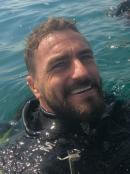
I was born in Kenya. I completed my undergraduate degree in Biotechnology and Biosafety from University of Eldoret. I was an intern laboratory analyst at the Kenya Marine and Fisheries Research Institute (KMFRI). I have worked for the Kenya Fisheries Service as scientific fisheries observer. I have experience working with crabbers, trawlers and longline vessels in the Indian Ocean. I have been trained as a scientific fisheries observer by Capricorn Marine Environmental in collaboration with Indian Ocean Tuna Commission (IOTC) and Kenya Fisheries Service (KFS).
I have interest in Marine Food safety and post-harvest practices that can increase utilisation of Marine Food. I joined the FIFD in the February,2023 as scientific fisheries observer
Martin Villarroel
Scientific Fisheries Observer
Phone: +500 27260
Email: [email protected]
More info
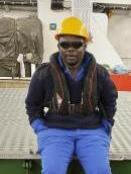
I was born on Chiloe Island, southern Chile. I completed my Bachelor’s degree in Marine Biology at the Universidad Austral de Chile.
Before my current position, I also worked as a scientific fisheries observer on a krill trawler for several months in Antarctic areas 48.1 & 48.2 under the CCAMLR scheme. I also spent one month on an oceanographic research cruise in Chile/Peru EEZs under the SHOA scheme.
Before becoming an observer, I had short experiences in other fields such as artisanal fishing, conservation NGOs (volunteering and an internship), aquaculture (internship), and the last and current fisheries science, which is my primary work interest along with nature photography, my hobby.
I joined FIFD as a Scientific Fisheries Observer in January 2024.
Publications
Villarroel-Perez, Martin. (2021). Historia de la Ostra chilena (Ostrea chilensis Philippi, 1845). Sociedad Malacologica de Chile. https://smach.cl/historia-de-la-ostra-chilena/
Villarroel-Perez, M. L., Elebrash, O., & Shcherbich, Z. (2026). Voucher-confirmed occurrence and bathymetric range extension of Patagonotothen squamiceps (Perciformes, Nototheniidae) from the Falkland Islands. Bulletin of Fish Biology Volume, 21, 83-86. https://doi.org/10.53188/BFB0018
Chernova, N. V., Desmet, L. G., & Villarroel-Perez, M. L. (2026). A new species of liparid fish of the genus Paraliparis (Cottoidei, Liparidae) from the bathyal depth of the South Atlantic Ocean. Proceedings of the Zoological Institute RAS, 330(1), 135-144. https://doi.org/10.31610/trudyzin/2026.330.1.135
Villarroel-Perez, M. L., Chernova, N. V., Weston, J. J., Vukasin, V., & Shcherbich, Z. (2026). A new species of Careproctus (Cottoidei: Liparidae) from the Falkland Plateau, southwestern Atlantic, with COI-based phylogenetic analysis. Zootaxa, 5777(3), 453-470. https://doi.org/10.11646/zootaxa.5777.3.3
Omar Elebrash
Compliance Fisheries Observer
Phone: +500 53188
Email: [email protected]
More info
I was awarded my Bachelor’s degree with honors in Fisheries Sciences, specializing in Fisheries Technology, from the Arab Academy for Science, Technology, and Maritime Transport in 2019. I also hold a seaman’s book as an officer on fishing vessels.
I worked as a Fisheries Observer under the supervision of the Ministry of Environment and the General Authority of Fish Resources Development (GAFRD). I was part of a socio-economic survey for the marine fishing sector in the GFCM-FAO project. I have extensive experience as a Fisheries Observer, having participated in projects monitoring sea turtles, endangered species, and catch and discard (2018-2021).
I served as a Marine Officer aboard the tuna purse seine fishing vessel GOLOVIK for the National Company for Fisheries and Aquaculture, under the Egyptian Armed Forces. My role involved managing Egypt’s Bluefin tuna fishing quota in accordance with ICCAT regulations for 2 years and 2 months (October 2021 – November 2023).
In 2023, I worked as an ICCAT Regional Observer during the tuna fishing season, observing tuna fisheries and collecting data for ICCAT’s recovery plan. This involved boarding tuna seiners, overseeing fishing and transfer operations, and ensuring vessel compliance.
From January 2024 to May 2024, I worked as an Observer Coordinator for the MedSea4Fish program at the Arab Academy for Science, Technology, and Maritime Transport, part of the GFCM’s capacity development initiative in the Mediterranean Sea.
I have extensive experience in fisheries monitoring and data collection, including fleet-related data (capacity, effort, catches, etc.), Bycatch and depredation monitoring, and non-indigenous species tracking with related socio-economic impacts. Additionally, I am experienced in biological sampling and laboratory analysis of key commercial species (e.g. length, age, sex, weight, maturity) and scientific and socio-economic surveys, including harmonized scientific surveys-at-sea.
Currently, I am working as a Compliance Fisheries Observer for the Falkland Islands Government.
Rodrigo Pedrero
Scientific Fisheries Observer
Phone: +500 27260
More info
My name is Rodrigo Pedrero Pacheco
I was born in Chile. completed my bachelor’s degree in marine biology at the Universidad Austral de Chile.
I have experience as a scientific observer on artisanal and industrial fleets mainly focused on pelagic species while I was working for the fisheries development institute (IFOP in Spanish) and had worked for several laboratories and museums through Chile focused on the studies of Chondrichthyes and general taxonomy from an evolutionary and ecological perspective.
I have interest on the studies of Chondrichthyes from a taxonomic perspective and the development of different approaches from an ecological and paleontological perspective.
I joined FIFD in June 2025 as a scientific fisheries observer.
For more information, please contact
the Fisheries Department
You’ll find our office hours, location, and full contact details below.