
Finding & Reporting
At Biosecurity we are always on the lookout for new bugs, plants and animals that could be harmful to our environment and industries. If you spot a known biosecurity risk or anything unusual, you can send a sample to us at the Department of Agriculture, or send a photo, or just contact us at [email protected] with the details.
Here are some things from our ‘Most Unwanted List’…
Didymo Spotted In Patagonia
Didymo (Didymosphenia geminata) – also known as ‘ROCK SNOT’ is a microscopic algae that can produce large amounts of stalk material to form thick brown mats on stream bottoms. Didymo threatens aquatic habitat, biodiversity and recreational opportunities. Historically, didymo has been found in cool, clear, nutrient poor freshwaters but is rapidly expanding its worldwide distribution to include nutrient rich freshwaters. It has recently been discovered in Patagonia, but is not believed to be in the Falkland Islands yet.
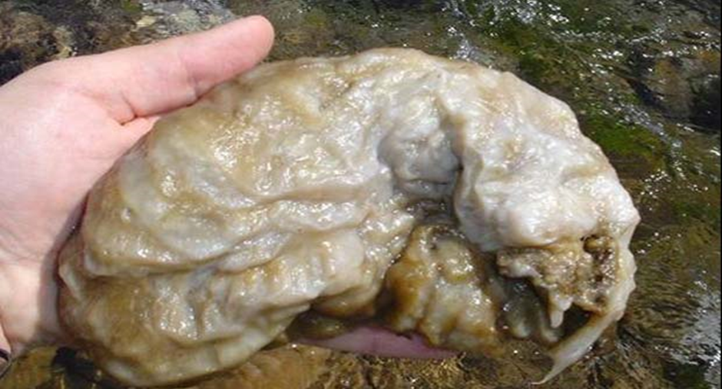
How do I know if I find didymo?
- Colour – tan, brown or white (not green); may form long white “tails”
- Texture – like wet wool (not slimy)
- Strength – firmly attached; does not fall apart when rubbed between fingers
What are the impacts of didymo?
Unlike many other aquatic invasive plants, didymo grows on the bottom of both flowing and still freshwaters. It is characterised by thick mat-like growths (blooms), which can last for months. During blooms, these mats may completely cover long stretches of stream beds, altering stream conditions and choking out many of the organisms that live on the stream bottom, which can affect fish by limiting their food. For the recreational user, footing can become very difficult due to the heavy growths.
Can didymo be eradicated once it becomes established?
There are currently no known methods for controlling or eradicating didymo once it infests a water body.
How is didymo spread?
The primary way for didymo to be spread is by anglers, kayakers, canoeists, tubers, boaters and others engaging in water-based recreation. It can also be spread by hikers and wildlife. The microscopic algae can cling – unseen – to waders, boots, boats, clothing, lures, hooks, fishing line and other equipment and remain viable for several weeks under even in seemingly dry conditions.
What can you do to help prevent the spread?
If you have visitors coming from overseas, ask them to make sure they thoroughly clean any equipment that has been used in an aquatic environment and leave to dry for at least 48 hours prior to their travel to the Falkland Islands. Please be vigilant when you are out and about and report any sightings to Biosecurity. It will be great if you can send in photos of any suspected finds too.
Check: Before leaving the river, remove all obvious clumps of algae and look for hidden clumps. Leave them at the site. If you find clumps later don’t wash them down the drain, treat them with the approved methods below, dry them and soak them in bleach for at least 4 hours.
Clean: Soak and scrub all items that may have had contact with didymo for at least one minute in either hot (60 °C) water, a 2% solution of household bleach, antiseptic hand cleaner or dishwashing detergent. Pay special attention to items with felt / fabric and ensure these areas are rigorously scrubbed in the cleaning agent.
Dry: If cleaning is not practical (e.g. livestock, pets), after the item is completely dry wait an additional 48 hours before contact or use in any other waterway.
See It Report It – Biosecurity 27355 or 55535
For more information, please contact
the Department of Agriculture
You’ll find our office hours, location, and full contact details below.